Is Your Dog Overweight? Health Risks & How Vets Can Help

Is Your Dog Overweight? Health Risks & How Vets Can Help
Yes, your dog is likely overweight if you can't easily feel their ribs, they've lost their waistline, or they tire out faster on walks than they used to. It's one of the most common questions pet owners bring to Lotus Animal Hospital, and it's a good one to ask early, since extra weight tends to creep on so gradually that it's easy to miss. The good news is that an overweight dog can absolutely get back on track once you know what to look for and take action with the right support.
How Can You Tell if Your Dog Is Overweight?
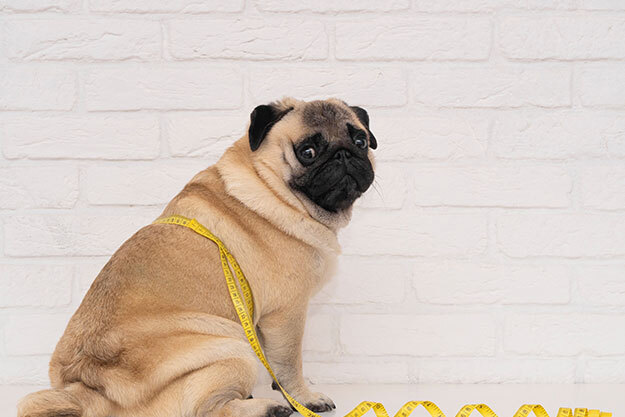
The scale only tells part of the story. Two dogs of the same breed and weight can look completely different depending on their frame, so vets rely on a hands-on approach called a body condition score to determine whether a dog is carrying extra pounds. This scoring system looks at more than just a number and considers how a dog's ribs, waist, and abdomen actually feel and appear.
The At-Home Rib Check
Run your hands gently along your dog's sides, just behind the front legs. In a dog at a healthy weight, you should feel each rib with light pressure, similar to feeling the back of your hand. If you have to press firmly to find the ribs, or can't feel them at all, that's a strong sign your dog is overweight. A thick layer of fat covering the ribs, combined with a rounded midsection, usually confirms the concern.
The Waistline and Profile Check
Looking at your dog from above, you should see a visible waist that tucks in behind the ribs before flaring back out toward the hips. An overweight dog often has a straight or bulging silhouette from above, with little to no narrowing at the waist. From the side, a healthy dog's abdomen should tuck upward toward the hind legs rather than hanging level with the chest.
Signs Your Dog May Be Carrying Extra Weight
- No visible waist when you look down at your dog from above
- A belly that sags instead of tucking up behind the ribs
- Reluctance to jump onto furniture, into the car, or up stairs
- Heavier panting than usual after normal activity
- Trouble finding a comfortable position to rest or sleep
- Visible fat deposits near the base of the tail or along the spine
If several of these sound familiar, schedule a weigh-in and body condition assessment with our team at Lotus Animal Hospital to confirm whether your dog's weight is a concern and get a clear, professional starting point.
What Health Risks Come with an Overweight Dog?
Carrying extra weight puts real strain on a dog's body, and the risks go well beyond appearance. Veterinarians consistently see overweight dogs develop health complications earlier and more often than dogs at a healthy weight, and many of these conditions can significantly shorten a dog's quality of life if left unaddressed.
Joint and Mobility Problems
Extra pounds place added stress on joints, ligaments, and tendons. An overweight dog is more prone to arthritis, and existing joint issues like hip dysplasia tend to progress faster and cause more discomfort when a dog is carrying additional weight. Over time, this added strain can also increase the risk of ligament injuries, particularly in the knees.
Heart and Respiratory Strain
An overweight dog's heart works harder to pump blood through a larger body, and extra fat around the chest and abdomen can restrict lung capacity, contributing to reduced stamina and breathing difficulty in warm weather. Dogs carrying excess weight often struggle more with Georgia's hot, humid summers, since their bodies have a harder time regulating temperature.
Other Common Complications
- Increased risk of type 2 diabetes
- Higher likelihood of developing certain cancers
- Greater strain on the liver and other organs
- Reduced tolerance for heat and physical activity
- A shortened lifespan compared to lean dogs of the same breed
- Slower recovery from surgery or illness due to added physical strain
Because these risks build gradually, many owners don't connect them to their dog's weight until a veterinarian points it out during an exam.
When Should You Talk to a Vet About Your Dog's Weight?
There's no need to wait for an annual checkup if you're concerned. Any time you notice your dog slowing down, gaining weight steadily, or struggling with activities they used to handle easily, it's a good time to bring it up with your veterinarian.
What to Expect During a Weight Consultation
A weight-focused visit typically includes a body condition score, a discussion of your dog's current diet and activity level, and a look at breed-specific or age-related factors that might be contributing to the gain. Your vet may also recommend bloodwork, since some medical conditions, such as thyroid imbalances, cause weight gain independent of diet.
Why Professional Guidance Matters
Every dog is different, and what works for a neighbor's dog might not be right for yours. A veterinarian factors in your dog's breed, age, activity level, and any existing health conditions to build a plan that's realistic and safe, rather than relying on generic advice found online. This is especially important for breeds prone to joint issues, where rapid weight loss or the wrong type of exercise could cause more harm than good.
How Can Lotus Animal Hospital Help Your Overweight Dog?
Our veterinary team at Lotus Animal Hospital works with pet owners throughout Alpharetta to help dogs reach and maintain a healthy weight. Every plan starts with a thorough exam and body condition assessment, since an accurate starting point makes all the difference in setting realistic, achievable goals.
A Personalized, Ongoing Approach
Rather than handing owners a generic printout, Lotus Animal Hospital builds recommendations around your dog's specific needs, including breed, age, and any joint or medical concerns that might affect how they should lose weight. Follow-up visits let our team track progress, adjust course as needed, and address any setbacks before they become bigger obstacles.
What Owners Can Expect
- A clear starting point based on your dog's body condition score
- Ongoing weigh-ins to track progress over time
- Guidance tailored to your dog's individual needs and lifestyle
- A supportive, judgment-free environment for you and your dog
- Recommendations that account for other health conditions your dog may have
Many owners come in unsure whether their dog's weight is truly a problem or just a normal part of getting older. A professional opinion takes the guesswork out of it and replaces uncertainty with a clear plan.
Helping Your Dog Thrive at a Healthier Weight
An overweight dog isn't a lost cause, and plenty of dogs go on to live longer, more comfortable lives once their weight is brought under control. The most important step is simply getting an accurate picture of where your dog stands today, rather than guessing based on appearance alone. If you've noticed changes in your dog's shape, energy, or mobility, our team at Lotus Animal Hospital is ready to help you figure out the next right step toward a longer, more active life together. Call us today at (404) 572-7282 to schedule an appointment with our team.