Common Reasons Your Dog is Vomiting

Common Reasons Your Dog is Vomiting
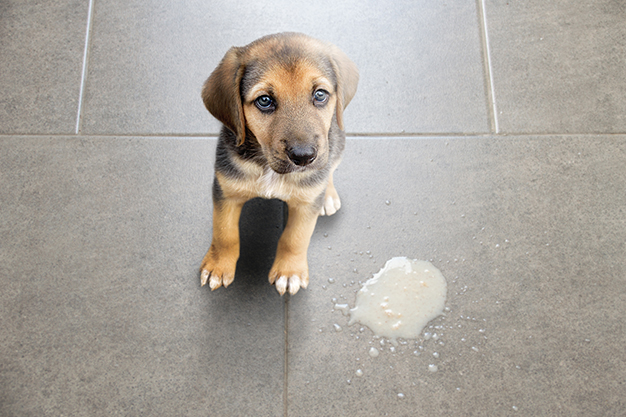
Dog vomiting often catches pet owners off guard. One moment your dog acts perfectly normal, and the next, you are cleaning up a mess and wondering what went wrong. Vomiting is not a diagnosis on its own, but it is a visible signal that something inside your dog’s body is not responding normally. Sometimes vomiting happens once and never returns. Other times, vomiting appears repeatedly or alongside other concerning changes.
At Lotus Animal Hospital in Alpharetta, GA, we see dog vomiting in patients of every age, breed, and lifestyle. The underlying causes of vomiting can range from mild irritation to serious internal disease. This guide explains the most common reasons vomiting occurs, how patterns differ, and why professional evaluation matters. If your dog is vomiting, call us today at (404) 572-7282 to schedule an appointment.
Digestive Upset and Stomach Irritation
Dog vomiting frequently begins with irritation inside the stomach or upper digestive tract. The stomach lining reacts quickly to inflammation, stress, or dietary disruption, which can trigger vomiting as a protective response. This reaction is the body’s attempt to remove something that does not belong or cannot be processed properly. Even when the cause is mild, vomiting can leave your pet uncomfortable and tired.
Digestive upset may cause foamy vomit, bile, or partially digested food. Some dogs vomit soon after eating, while others vomit hours later. Repeated vomiting often signals that the stomach has not settled back into balance. When this irritation continues, dehydration and nutritional disruption can follow, which is why professional guidance is important. At Lotus Animal Hospital, we evaluate the full digestive picture instead of focusing on vomiting alone.
Food Sensitivities and Dietary Changes
Food-related reactions remain one of the most common contributors to dog vomiting. A sudden change in diet, new treats, or exposure to unfamiliar ingredients can irritate the stomach lining. Some dogs also develop sensitivities over time, even to foods they once tolerated well. Vomiting in these cases may appear shortly after meals or during the night. Food sensitivity-related vomiting may not show other dramatic symptoms at first. Over time, however, repeated episodes often affect appetite, stool quality, and overall comfort. Our veterinary team looks for patterns between diet and vomiting to identify whether nutritional triggers are involved.
Ingested Objects and Non-Food Items
Dogs explore the world with their mouths, which places them at higher risk for swallowing objects that do not belong in the digestive system. Dog vomiting may occur when the stomach attempts to expel these materials. Socks, toys, sticks, plastic, or fabric pieces can all provoke sudden vomiting. In some cases, the object moves deeper into the digestive tract and continues to cause irritation.
Dog vomiting linked to foreign objects may come with abdominal pain, restlessness, or changes in bowel movements. While some objects pass naturally, others become lodged and require medical intervention. Any ongoing vomiting associated with chewing or missing household items deserves immediate veterinary attention.
Obstructions and Blockages
When an object blocks the digestive tract, vomiting often becomes persistent. Vomiting may occur after every meal or even without food present. Obstructions prevent normal digestion and can quickly become life-threatening. This form of dog vomiting typically worsens over time rather than improving. Prompt evaluation protects your dog from severe complications.
Parasites and Infectious Organisms
Parasites remain a frequent cause of vomiting, especially in puppies, rescue dogs, and dogs exposed to contaminated environments. Worms and protozoa irritate the intestinal lining, triggering inflammation and digestive instability. Vomiting caused by parasites may appear alongside diarrhea, weight changes, or dull coat quality.
Bacterial and viral infections can also cause dog vomiting. These organisms disrupt the normal balance of the digestive tract, leading to nausea and fluid loss. While some infections resolve with proper veterinary care, others require close monitoring. Our team at Lotus Animal Hospital uses diagnostic testing to identify infectious causes of dog vomiting and guide appropriate care.
Puppies and Young Dogs
Young dogs experience vomiting more frequently due to developing immune systems and higher exposure risks. Puppies often explore everything, which increases parasite and bacterial contact. Vomiting in puppies deserves prompt evaluation to support proper growth and development.
Toxins and Chemical Exposure
Exposure to toxic substances often results in sudden dog vomiting. Household cleaners, medications, plants, pest control products, and certain foods can all irritate the digestive system or cause systemic reactions. Dog vomiting may occur quickly or develop gradually depending on the substance involved. Toxicity-related vomiting frequently appears with drooling, lethargy, or behavioral changes. In these situations, timing becomes critical. Immediate veterinary care improves outcomes and reduces long-term damage. If you suspect toxic exposure along with vomiting, contact Lotus Animal Hospital right away at (404) 572-7282.
Chronic Health Conditions
Some dogs experience vomiting as a symptom of ongoing internal disease. Conditions affecting the liver, kidneys, pancreas, or endocrine system may all disrupt digestion. Vomiting in these cases often appears repeatedly and may not resolve without medical management. Chronic disease-related vomiting can look mild at first. Over time, however, appetite changes, weight loss, and fatigue may follow. Veterinary diagnostics allow us to identify underlying causes rather than treating dog vomiting as an isolated issue.
Pancreatic Disorders
Pancreatic inflammation frequently causes dog vomiting. The pancreas plays a key role in digestion, and when it becomes irritated, nausea follows. Vomiting from pancreatic conditions often occurs alongside abdominal discomfort and changes in appetite. Early diagnosis helps reduce long-term complications.
Liver and Kidney Disease
When the liver or kidneys struggle to filter waste properly, toxins build up in the bloodstream. Dog vomiting acts as a visible response to this internal imbalance. Regular wellness care helps detect these conditions before dog vomiting becomes severe.
Stress, Anxiety, and Motion
Emotional stress also influences the digestive system. Travel, environmental changes, boarding, loud noises, or separation anxiety may all lead to dog vomiting. The connection between the brain and digestive tract is strong, and stress hormones can quickly trigger nausea. Motion sickness remains another frequent cause of vomiting, particularly in younger dogs or those unfamiliar with car rides. While this type of dog vomiting may appear less serious, repeated episodes still deserve professional discussion. Behavioral patterns help our team identify stress-related contributors.
Age-Related Digestive Changes
Senior dogs experience natural changes in digestive efficiency. Slower metabolism, reduced enzyme production, and chronic inflammation all increase the likelihood of vomiting in older pets. Senior dog vomiting often occurs alongside joint stiffness, appetite shifts, or energy changes. Puppies, on the other hand, face vomiting from developmental immaturity and environmental exposure. Age-specific evaluation allows us to tailor care based on life stage rather than assuming one-size-fits-all causes.
When Dog Vomiting Signals a Bigger Concern
Dog vomiting becomes more concerning when it happens frequently, contains blood, or appears alongside other symptoms. While occasional vomiting may not signal danger, patterns matter. Veterinary assessment focuses on duration, frequency, appearance, and accompanying behavior changes. At Lotus Animal Hospital, we examine vomiting within the broader health picture. Diagnostics help determine whether vomiting reflects digestive upset, infection, obstruction, organ disease, or toxicity. Our goal is clarity, not guesswork.
How Veterinary Evaluation Supports Your Dog
Professional evaluation transforms dog vomiting from a confusing symptom into a manageable medical issue. Physical exams, laboratory testing, imaging, and dietary history allow us to identify root causes. This approach prevents repeated dog vomiting from becoming a chronic problem. Pet owners often worry about overreacting to vomiting. In reality, early assessment provides reassurance and protects long-term health. Veterinary guidance supports comfort, safety, and recovery.
Supporting Your Dog’s Comfort and Health
Dog vomiting affects more than digestion. It impacts hydration, energy, appetite, and emotional well-being. Addressing vomiting promptly allows your dog to return to feeling like themselves sooner. At Lotus Animal Hospital, we focus on compassionate care and clear communication for every family. If your dog is vomiting, our Alpharetta veterinary team is ready to help. Call Lotus Animal Hospital today at (404) 572-7282 to schedule an appointment. Together, we can identify the cause of vomiting and support your dog’s comfort with professional care grounded in experience and trust.