Hot Spots in Dogs


Hot Spots in Dogs: Causes, Treatment & Prevention
Hot spots in dogs are one of the most common skin concerns veterinarians see in daily practice, and they often appear suddenly, worsen quickly, and cause significant discomfort. Pet owners usually notice a red, moist patch of skin that seems to spread overnight. Hot spots in dogs, also called acute moist dermatitis, develop when irritation, moisture, and bacteria combine to inflame the skin’s surface. While the condition looks alarming, understanding why hot spots occur and how veterinarians address them can help owners respond with confidence. This guide explains the causes, treatment approach, and prevention strategies for hot spots in dogs, while helping Alpharetta pet owners know when professional care matters most.
What Are Hot Spots in Dogs?
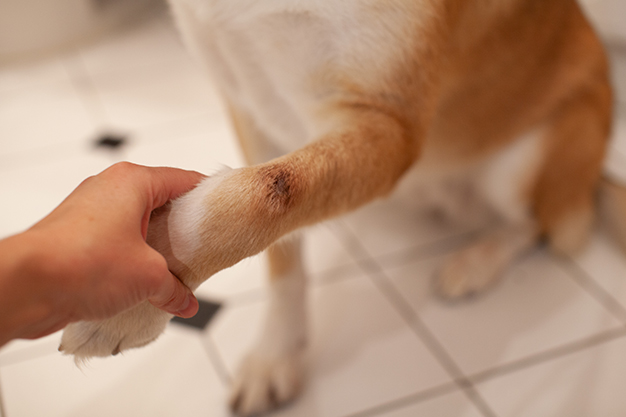
Hot spots are localized skin infections that form when the protective barrier of the skin becomes compromised. These lesions often appear as red, swollen, oozing patches that may lose surrounding fur. Because hot spots cause intense itching and burning sensations, many dogs scratch, lick, or chew the area repeatedly, which allows the irritation to spread. This self-trauma is one of the main reasons hot spots in dogs can expand rapidly.
Veterinarians classify hot spots in dogs as acute inflammatory skin lesions rather than long-term diseases. However, repeated episodes may signal an underlying issue that needs medical attention. While hot spots can occur anywhere on the body, they most often affect the neck, hips, thighs, face, and chest. The warm, humid Georgia climate also creates ideal conditions for hot spots to develop and progress.
Common Causes of Hot Spots in Dogs
Several factors can trigger hot spots, and identifying the cause is essential for effective treatment and long-term control. Most cases involve a combination of moisture, skin irritation, and bacteria. When these elements interact, hot spots in dogs can form quickly.
Allergies and Skin Sensitivities
Allergic reactions are one of the leading contributors to hot spots in dogs. Environmental allergens such as pollen, mold, and dust can irritate the skin and cause persistent scratching. Food sensitivities may also trigger inflammation that contributes to hot spots. When itching becomes constant, the skin barrier weakens, making hot spots more likely.
Moisture Trapped in the Coat
Moisture plays a major role in hot spots. Swimming, bathing, or humid weather can trap moisture under dense fur, creating an environment where bacteria thrive. Dogs with thick or long coats experience hot spots more frequently because airflow cannot reach the skin easily. Even small damp areas can develop into hot spots if left untreated.
Fleas and External Parasites
Flea bites often trigger intense itching, and repeated scratching can quickly result in hot spots. Even a single flea bite can start the cycle that leads to hot spots, especially in dogs with flea allergies. Ticks, mites, and lice may also contribute to skin irritation that develops into hot spots in dogs.
Underlying Skin Conditions
Chronic skin disorders such as dermatitis, bacterial infections, or yeast overgrowth may predispose dogs to hot spots. These conditions weaken the skin’s natural defenses, making it easier for inflammation to escalate. When these disorders go unmanaged, hot spots can become a recurring issue.
Why Hot Spots Spread So Quickly
One of the most frustrating aspects of hot spots in dogs is how fast they grow. The combination of moisture, warmth, and bacteria creates a perfect environment for infection. Once a dog begins licking or chewing the area, the skin breaks down further. This cycle allows hot spots to double in size within hours. The body’s inflammatory response also increases fluid in the tissue, which further irritates nerve endings. As discomfort increases, dogs focus more attention on the lesion, allowing hot spots to worsen even faster. This rapid progression explains why professional evaluation is so important for hot spots.
How Hot Spots Are Treated by Veterinarians
Veterinary care focuses on stopping the infection, relieving discomfort, and preventing recurrence. Because hot spots in dogs involve bacterial contamination and inflammation, professional treatment provides the safest and most effective outcome.
Initial Assessment
Veterinarians begin by examining the lesion and evaluating possible underlying causes of hot spots. They assess size, depth, discharge, and surrounding skin health. This evaluation helps determine whether hot spots are isolated incidents or signs of a larger skin concern.
Medical Management
Treatment typically includes cleaning and medicated therapy designed to control bacteria and inflammation. Veterinarians may also prescribe medications to address pain, itching, or infection. These steps help stabilize hot spots while protecting the surrounding skin.
Addressing the Root Cause
Long-term success depends on identifying why the hot spots formed in the first place. Allergies, parasites, and skin conditions often require targeted treatment plans. Without addressing these triggers, hot spots may continue to return. At Lotus Animal Hospital in Alpharetta, GA, our team tailors treatment plans to each patient’s needs. If your dog shows signs of hot spots, call us today at (404) 572-7282 to schedule an appointment.
How to Recognize Hot Spots in Dogs Early
Early detection plays a key role in managing hot spots effectively. Owners often notice subtle changes before a full lesion appears. Paying attention to these signs can reduce complications.
Behavioral Changes
Dogs with hot spots may lick, chew, or scratch a specific area repeatedly. They may also seem restless or sensitive when touched.
Visible Skin Changes
Redness, swelling, moisture, or hair loss often signal the early stages of hot spots in dogs. These patches may feel warm to the touch and may develop a noticeable odor.
Rapid Progression
One defining feature of hot spots is speed. Small irritated areas can become large lesions within a day, making prompt veterinary evaluation essential.
Tips for Preventing Hot Spots
Prevention focuses on reducing the conditions that allow hot spots in dogs to form. While no dog is completely immune, consistent care significantly lowers the risk.
- Coat and Skin Maintenance: Regular grooming allows airflow to reach the skin and reduces trapped moisture that contributes to hot spots. Grooming also helps owners notice early signs of irritation.
- Allergy Management: Dogs with allergies require careful monitoring because allergic reactions often trigger hot spots. Veterinary guidance helps control inflammation and minimize flare-ups.
- Parasite Prevention: Routine parasite prevention reduces flea-related irritation, which is a major cause of hot spots. Consistent protection lowers the chance of scratching-related skin damage.
- Routine Veterinary Checkups: Wellness visits help identify subtle skin concerns before they escalate into hot spots in dogs. Preventive care supports overall skin health and reduces recurrence.
When to Contact Your Veterinarian About Hot Spots
Any suspected case of hot spots in dogs deserves professional attention. These lesions rarely resolve without medical support and can worsen quickly. Delaying care increases the risk of deeper infection, scarring, and prolonged discomfort. If your dog shows signs of hot spots, contact Lotus Animal Hospital in Alpharetta, GA. Our team provides compassionate, thorough care for skin conditions and works closely with pet owners to reduce future flare-ups. Call (404) 572-7282 to schedule an appointment and let us help your dog return to comfortable, healthy skin.
Supporting Your Dog’s Skin Health Long-Term
Managing hot spots in dogs requires more than treating a single episode. Long-term skin health depends on routine monitoring, preventive care, and open communication with your veterinarian. Dogs that experience hot spots often benefit from personalized care plans that address their unique risk factors. At Lotus Animal Hospital, we partner with Alpharetta pet owners to create proactive strategies for managing hot spots and other skin concerns. With professional guidance, consistent care, and early intervention, dogs can enjoy healthier skin and fewer flare-ups. If you have concerns about hot spots in dogs, call (404) 572-7282 today to schedule an evaluation. Your dog’s comfort, confidence, and skin health matter to our team.